AI Readiness Series
Most AI initiatives don’t fail because of the technology. They stall because the operational foundations weren’t ready. Withum’s AI Readiness Series examines what separates stalled pilots from measurable results and outlines a practical framework mid market organizations can use to build AI readiness.
Build the Five Organizational Capabilities
Cisco’s 2025 AI Readiness Index identified five essential readiness factors. Only 13% of companies demonstrate full preparedness across all five:
- Clear Direction — Teams don’t know what operational metrics leadership expects them to improve. Without specificity, experimentation is random and value unmeasured.
- Safe Usage Policies — 63% of companies have no AI policies. 57% of employees hide their AI usage. Result: either chaos or paralysis.
- Training on Judgment — Only 13% received any AI training, and most teaches prompting rather than when to trust output versus when to verify.
- Data Foundation — The data quality issue above. Customer master, product hierarchies, financial reconciliations all need cleanup for operational ROI today.
- Workflow-Embedded Deployment — Tools deployed in standalone portals require context-switching. Friction prevents adoption. Low adoption means no value.
Get the Five Foundations Readiness Assessment
Work through each capability and rate where your organization stands today — direction, policy, training, data and deployment.

How Leadership Direction Drives AI Adoption
The root cause of most AI adoption challenges is absent leadership direction, not tool quality, not training gaps, not budget constraints.
Read the Full Breakdown

AI Governance That Enables Work
Most AI training programs focus on tools, but real capability comes from developing judgment in how AI is applied in everyday work.
Read the Full Breakdown
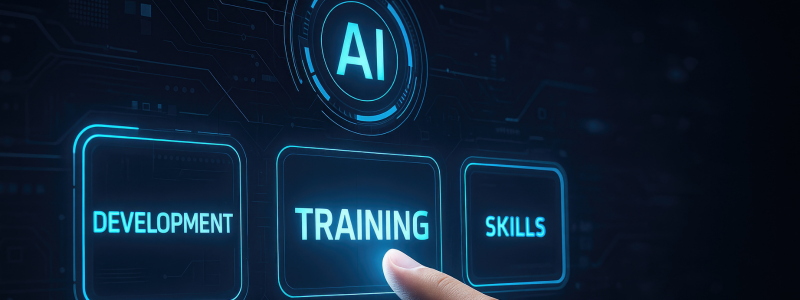
AI Training vs Judgement Training
Effective AI governance should guide how work gets done, not slow it down with controls that limit adoption.
Read the Full Breakdown
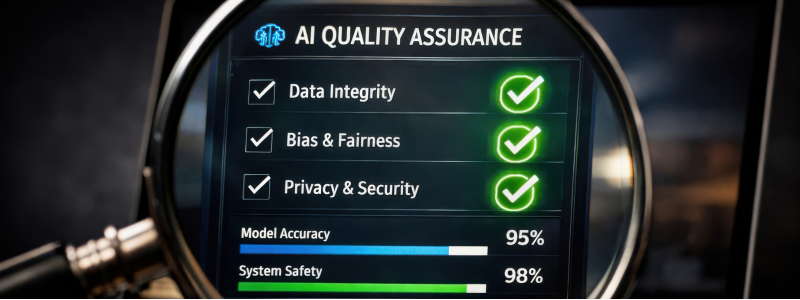
Why AI Projects Fail Before They Start
Diagnosing your data readiness gap when it comes to AI data quality. Most AI projects fail due to poor data quality, not technology.
Read The Full Breakdown

The Deployment Problem Killing AI Adoption
Why AI needs to live where work happens. low AI adoption is a workflow design issue. Teams need to redesign work with AI in mind.
Read The Full Breakdown

AI Readiness FAQs
AI adoption raises the same set of questions across organizations: what’s ready, what’s not, where to start and what actually delivers value.
Read the Full Breakdown
You Can’t Skip Stabilization
Organizations need to progress through three stages:
- Stabilize: Fix what’s broken (most companies need to start here)
- Optimize: Build systematic excellence (once stabilized)
- Innovate: Create competitive advantage (once optimized)
Enterprises in 2023-2024 tried to skip stabilization and jump straight to innovation. The result: 95% failure rate, 60% abandonment, billions wasted.
Mid-market companies can start with stabilization work that pays for itself today through better operations. Then add AI on top of foundations that actually work.
Webinar: AI Without the Hype in Mid-Market Operations — What Works (And What Doesn’t)
Mid-market companies face a specific gap: Big 4 transformation programs they can’t afford, and AI vendors promising quick deployment that ignores operational reality. This webinar examines what’s actually working in mid-market operations versus what fails predictably.
Questions about your situation?
We’re happy to talk through what you’re seeing. Sometimes a 15-minute conversation clarifies whether you’re dealing with a data problem, a direction problem or something else entirely.